NASA Locks In New Lunar Landing Timelines And Fixes Orion Docking Flaws
Space agencies in Texas and the South Central U.S. gain clarity on how SpaceX and Blue Origin will deliver astronauts to the Moon by 2028 through revised orbital maneuvers.
By Ishani Kapalli ·
NASA administrators held a comprehensive briefing on Friday to outline the agency’s revised strategy for returning human explorers to the lunar surface, targeting a window as early as 2028 under the Artemis Program.
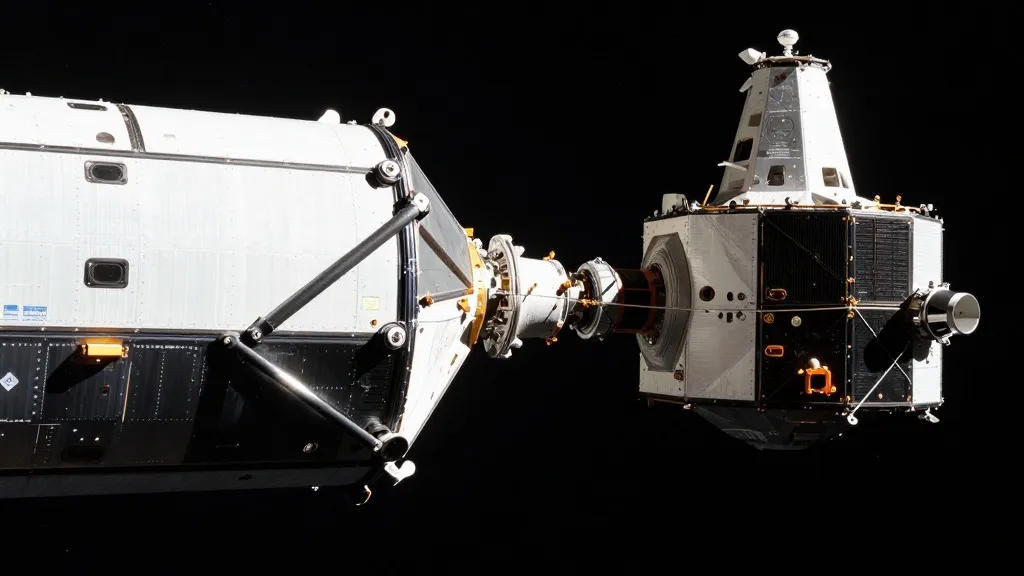
While elements of this architecture have been previously discussed in industry circles, this event marked the first official public confirmation of substantial changes to the mission design. The most significant update involves the SpaceX Starship vehicle. The new plan eliminates the requirement for the Orion spacecraft to dock with the Starship lander in a complex orbit near the Moon. Instead, Orion will now dock with the Starship lunar lander in high-Earth orbit before the combined vehicle travels to the Moon. This shift addresses earlier engineering concerns regarding energy requirements and operational difficulty associated with the previous near-rectilinear halo orbit docking protocol.
The Blue Origin mission architecture also received a major overhaul. The revised design relies on four separate launches of the New Glenn rocket. Crucially, this plan removes the need for spacecraft-to-spacecraft refueling in orbit. Additionally, the Blue Origin proposal allows for the Blue Moon lander to rendezvous with the Orion spacecraft in low-Lunar orbit, providing a flexible approach to the final phase of the mission.
Regarding the timeline, NASA officials maintained their current schedule for the upcoming missions. The agency continues to anticipate launching the Artemis III mission by the summer of 2027. This mission serves as a critical demonstration, involving docking maneuvers with both the Blue Moon and Starship vehicles near Earth. Following this, the agency is tracking toward a 2028 launch for Artemis IV, which will be the first mission to actually land astronauts on the lunar surface.
NASA Administrator Jared Isaacman expressed confidence in the agency's ability to meet these targets. He stated, “This is an achievable path we are on right now. We have the mandate, we have the resources, and the support from our stakeholders to be able to execute, and that’s what we intend to do.” Isaacman’s leadership has taken a detailed look at every element of the program to facilitate execution and acceleration for the lunar lander partners.
The architectural changes appear to be a direct response to feedback from SpaceX engineers. In meetings with NASA earlier in 2026, SpaceX representatives identified the previous requirement to dock in a near-rectilinear halo orbit as a major hurdle. This orbit demanded significant energy and presented other technical challenges. The cancellation of the Lunar Gateway project earlier this year inadvertently solved this problem for SpaceX by removing the reliance on that specific orbital configuration.
For businesses and stakeholders in the South Central region, these updates provide a clearer picture of the commercial space sector's trajectory. The simplified docking procedures and reduced refueling requirements may lower costs and technical risks, potentially accelerating development cycles for suppliers and contractors involved in the Artemis program.
Source: Ars Technica