Microduck Robots Surge After Keynote Debut
Preorders for the open-source robotic ducks exceeded 20,000 units within 24 hours of their viral appearance at a major tech conference.
By Jonathan Pierce ·
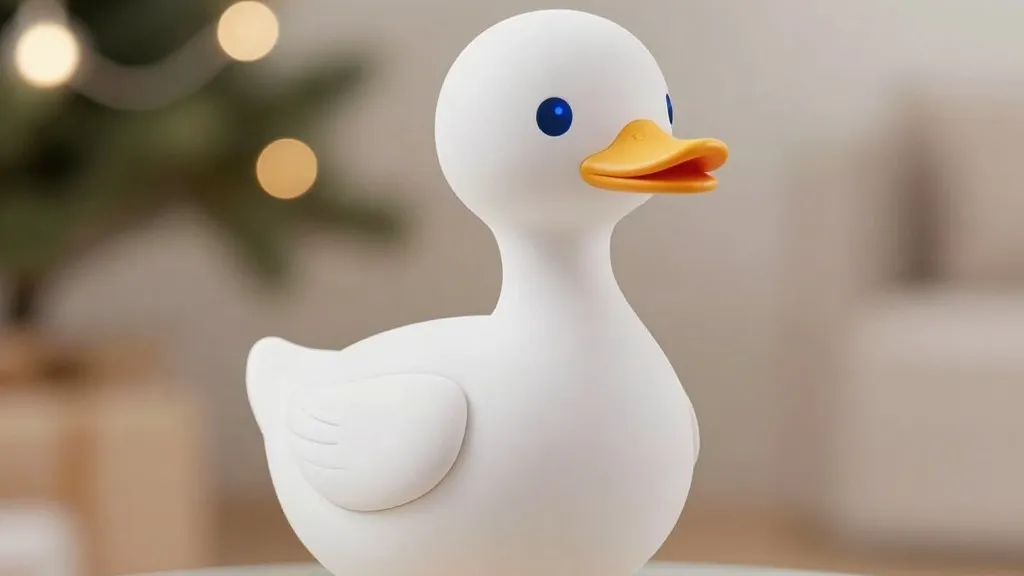
Preorders for the Microduck robotic toys surpassed 20,000 units within one day of their high-profile debut, marking a significant early indicator of consumer demand for the device. The rapid uptake follows a viral video of Nvidia CEO Jensen Huang interacting with a group of the robots during his keynote address at the GTC Berlin conference earlier this week. The moment captured widespread attention as the small machines waddled across the stage, executing programmed movements such as sitting, falling over for a simulated nap, and performing somersaults upon voice commands. Accompanied by small mechanical sounds reminiscent of the droid R2-D2, the display highlighted the playful nature of the hardware and generated immediate interest among attendees and viewers alike.
The surge in orders positions the Microducks as a potential top seller for the upcoming holiday season. According to Hugging Face executive Clem Delangue, the robots are scheduled for delivery in time for Christmas. Delangue has expressed the view that these units could become the best-selling robot of the year, suggesting that their appeal may extend beyond the traditional children’s market. Promotional materials already feature adults engaging with the devices, indicating a broader demographic target for the product launch.
The timeline of the Microduck’s emergence is tied directly to recent corporate consolidations in the artificial intelligence sector. The robots are the product of Pollen Robotics, a company that was acquired by Hugging Face in 2025. Subsequently, Nvidia purchased Hugging Face in September, effectively making the Microducks part of the GPU giant’s portfolio. This acquisition follows a pattern of strategic expansion for Nvidia, which has sought to integrate diverse software and hardware assets into its ecosystem. The Microducks represent the second robotic offering from Hugging Face, joining the previously released Reachy Mini, which also gained popularity for its design and functionality.
From a technical standpoint, the Microducks operate as open-source devices, allowing for a degree of modularity and community engagement not always found in closed consumer electronics. The initial behaviors shipped with the units, including walking, sitting, and standing, were developed using Nvidia’s technology stack. This process involved training simulations of the robots to master basic motor skills before the physical hardware was deployed. The use of simulation-to-reality training is a key component of the development pipeline, ensuring that the devices perform reliably out of the box while maintaining an open architecture for future customization.
Looking ahead, the release strategy emphasizes community-driven expansion. Pollen Robotics has indicated that owners will have the ability to train their individual units on new tricks and share these custom behaviors with the broader user base. This approach aims to extend the lifespan and utility of the device by allowing users to personalize their experience and contribute to a shared library of movements. As the holiday season approaches, the company will likely focus on managing the supply chain to meet the high volume of preorders while continuing to promote the open-source nature of the platform.
The launch of the Microducks also arrives at a complex moment for the AI industry. Earlier this week, the sector faced scrutiny as artificial intelligence involvement was cited in a series of high-profile cyberattacks. This backdrop of concern over AI’s potential risks provides a contrasting context for the Microducks, which are presented as an accessible and enjoyable entry point into robotics. The viral success of the keynote demonstration suggests that consumers are eager for tangible, interactive applications of AI that prioritize fun and engagement over complex utility. As deliveries begin, the market will test whether this initial enthusiasm translates into sustained adoption and whether the device can maintain its momentum as a cultural phenomenon.
For businesses and investors watching the robotics space, the performance of the Microducks offers a clear takeaway regarding consumer appetite for compact, open-source hardware. The combination of celebrity endorsement, viral marketing, and accessible technology has created a unique product cycle. With the next phase focused on post-purchase community engagement and holiday fulfillment, the success of the Microducks will serve as a benchmark for how AI-powered toys can capture mainstream attention. The device’s ability to bridge the gap between technical innovation and consumer entertainment will be the primary metric for its long-term viability in the market.
Source: TechCrunch