Meta Deploys Google TPUs in Production, Shaking Up AI Chip Market
The integration of PyTorch-native inference engines allows Meta to run AI workloads on Google hardware, challenging Nvidia's dominance.
By Andre Williams ·
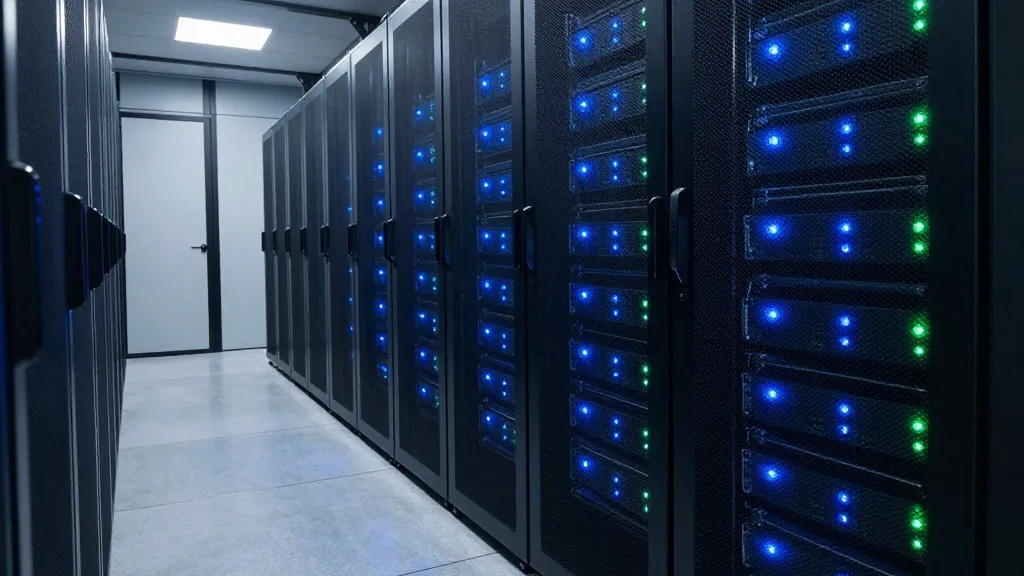
Google’s tensor processing units are now actively serving AI workloads in production at Meta, marking a significant shift in the custom silicon landscape. This development was confirmed through the release of a new PyTorch-native version of the SGLang inference engine. The move signals that Google’s hardware is no longer just an internal asset but a viable external option for major tech firms. By enabling these chips to run natively on PyTorch, the barrier to entry for companies reluctant to adopt Google’s JAX framework has been significantly lowered. This represents the first time TPUs have been sold to external customers in this specific production capacity, directly challenging the status quo established by Nvidia.
Historically, running on TPUs required using Google’s JAX framework. The new SGLang-TorchTPU and vLLM-TorchTPU versions change this dynamic. Zongwei Zhou, Meta’s PyTorch-TPU lead, stated that the system is "running in production at Meta today." He described the effort as a close collaboration between Meta, Google, and the SGLang team at RadixArk. Zhou noted that the engine provides Meta with a remarkably mature serving stack. Jana van Greunen, director of PyTorch engineering at Meta, emphasized that the company cannot be constrained by a single hardware architecture. She added that TorchTPU enables the deployment of PyTorch workloads to Google TPUs without major rewrites.
This is not Meta’s first encounter with Google hardware. The older PyTorch/XLA bridge served as a predecessor to the current system. Reports indicate that Meta research teams used TPUs through this bridge from 2020 to 2023 before canceling those contracts. The current push appears targeted at Meta, which previously resisted migrating to JAX. While the physical location of the production chips remains unclear, discussions last year included Google Cloud rentals for 2026 and purchases for 2027. Meta reportedly signed a multi-year rental agreement, suggesting a long-term commitment to the infrastructure.
The timing of this announcement is strategic. It arrived one day after Amazon announced it was open-sourcing TorchNeuron, its native PyTorch backend for Trainium chips. Both moves aim to loosen Nvidia’s software lock-in by providing easier access to alternative hardware. For investors in Texas and the South Central states, this signals a diversification in the AI supply chain. It reduces the risk associated with relying solely on one dominant vendor for both hardware and software frameworks.
Performance metrics highlight the competitiveness of the new setup. A tuned vLLM configuration serving the 2.8-trillion-parameter Kimi K3 model reportedly exceeds 700 tokens per second for a single user on seventh-generation Ironwood TPUs. This test, conducted by Inferact, used 16 Ironwood chips with speculative decoding. In comparison, the same setup on 16 Nvidia GB200s reached 452 tokens per second. Kernels for Kimi K3 and Qwen 3.8 27B deliver roughly 1.4 to 2 times the baseline throughput at small batch sizes without speculative decoding. These figures suggest that Google’s chips can match or exceed Nvidia’s performance in specific inference scenarios.
Looking ahead, SGLang-TorchTPU will continue to add models, starting with DeepSeek V4.1 Flash and Reflection Beam. The teams are working toward Day 0 support for new open models by the first quarter of 2027. Google, Meta, and RadixArk plan to share more details at the SGLang Summit 2026, scheduled for November 12 and 13 in San Francisco. This ongoing collaboration indicates a sustained effort to build a robust ecosystem around non-Nvidia hardware. The market will watch closely to see if other major tech firms follow Meta’s lead in adopting these alternatives.
Source: Tom's Hardware