Ukraine Faces Critical Communications Gap as Starlink Reliability Erodes
Dependence on a single satellite provider is forcing Ukrainian and European leaders to accelerate the search for alternative communication infrastructure.
By Kavya Kapoor ·
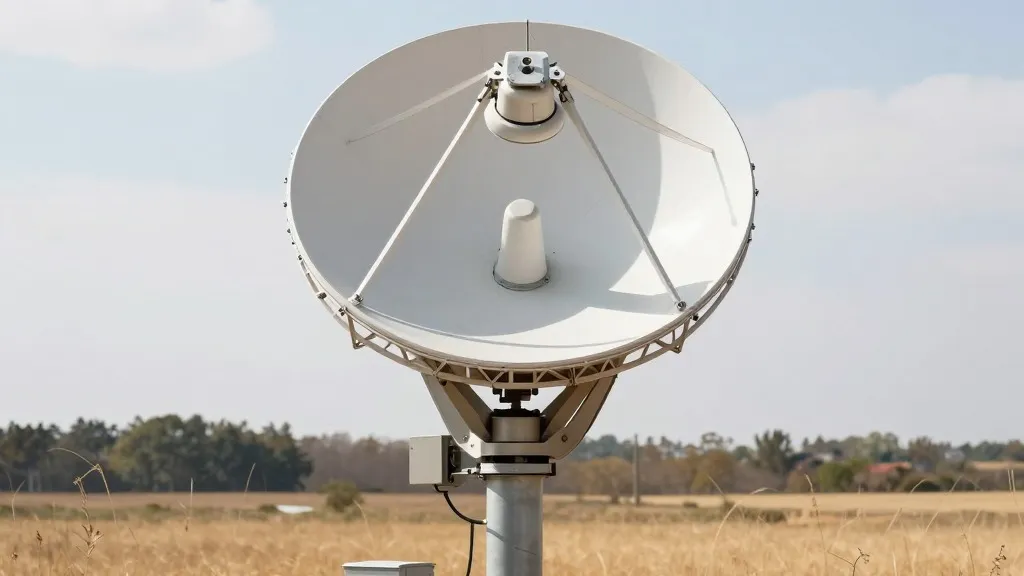
Ukraine’s military and civilian communications networks are experiencing significant instability, prompting a urgent reassessment of the country’s long-term reliance on Starlink. The disruption marks a turning point in the conflict, as the satellite service that has been central to Ukraine’s defensive capabilities is now viewed with growing skepticism due to service interruptions and the political maneuvering of its owner, Elon Musk. This shift compels Kyiv and its European allies to confront the logistical challenges of operating without the world’s largest commercial satellite internet constellation.
The dependency on Starlink was built over several years of successful resistance against Russia’s full-scale invasion. The service provided the high-speed internet and data streams necessary for both everyday civilian life and complex military operations. For the Ukrainian armed forces, the system became an indispensable tool for remotely controlling and guiding drones. These drones are critical for air defense against Russian strikes and for delivering precision attacks on enemy targets. The reliability of this connection was previously considered a strategic advantage that few other providers could match.
The timeline of this dependency began with the initial deployment of commercial terminals. The United States government, along with European nations including Poland and Germany, funded the purchase of tens of thousands of these devices. These countries also covered the ongoing subscription fees to ensure uninterrupted service. Beyond the commercial setup, the U.S. provided access to a specialized military-grade version of the service known as Starshield. This tier allowed Ukrainian defense companies to integrate the technology into their own systems and conduct tests in direct cooperation with the military.
Despite its widespread adoption, the technology has inherent limitations that have become more apparent during recent disruptions. A representative from the hardware research and development division of the Ukrainian defense firm BlueBird Tech noted that the primary practical constraint is the physical positioning of the antenna. To maintain a stable connection, the equipment must be oriented correctly to receive signals from the orbiting satellites. This requirement creates vulnerabilities in the field, particularly when rapid movement or concealment is necessary for military units.
The recent surge in unreliability has been attributed to the increasing influence of Musk’s political inclinations on the service’s operations. The latest surprise outages have highlighted the risks of relying on a single commercial entity for such a vital aspect of national security. As a result, the question of how to proceed without Starlink is no longer a theoretical exercise but an immediate operational concern for both Ukraine and the broader European security architecture.
According to the anonymous BlueBird Tech official, Starlink has maintained a dominant position in the market due to a unique combination of cost, availability, and ease of use. The expert described the service as offering some of the best satellite coverage available, with virtually no competitors matching that specific triad of attributes. This lack of immediate alternatives is what makes the current period of instability so challenging for Ukrainian planners who must maintain connectivity while searching for backups.
The situation now requires a multi-pronged approach to communications. While Starlink remains a core component of the infrastructure, the urgency to develop independent capabilities has intensified. European partners are expected to increase their support for diversification efforts, recognizing that the political volatility surrounding the service’s leadership cannot be ignored in long-term strategic planning. The goal is to create a resilient network that can withstand both technical failures and geopolitical shifts.
The immediate next steps involve a deeper evaluation of the Starshield system and other potential satellite providers. Ukrainian defense firms are likely to expand their testing of alternative technologies in coordination with the military. This period will be defined by a careful balancing act: maintaining the current operational edge provided by Starlink while aggressively pursuing the diversification needed to secure future communications. The outcome of these efforts will determine how effectively Ukraine can sustain its resistance in the coming months and years.
As the conflict continues, the interplay between technology and politics will remain a central theme. The experience of the past few months serves as a case study for other nations reliant on private space infrastructure. For now, the focus remains on stabilizing the current network while laying the groundwork for a more diverse and resilient communications ecosystem that can support Ukraine’s ongoing defense efforts without being held hostage to single-point failures.
Source: Ars Technica